
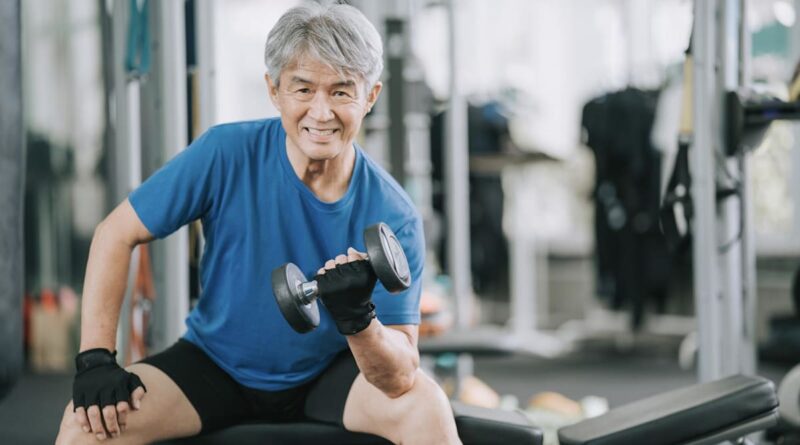
Strength training for seniors: Why it’s about more than preventing falls and how to get started
Furthermore, sarcopenia’s progress is insidious. “The decline in muscle strength and function is often subtle, even to the person experiencing it,” said Dr Chen.
“For family members, the signs to look out for include needing to use both hands to push up from a chair, avoiding stairs or longer walks, walking significantly more slowly, becoming less confident with balance, or giving up hobbies because they feel they ‘don’t have the energy’ anymore.”
HOW CAN YOU ADDRESS YOUR PARENTS’ PUSHBACKS?
You’re not alone if you’re facing resistance from your parents to exercise. Here’s a look at how you can counter the common excuses with facts from the experts:
“I’M TOO OLD TO EXERCISE”
The good news, said Dr Chen, is that it is never too late to start strength training. “With consistency and the right programme, older adults can improve their strength, confidence and balance, reduce their risk of falls, and most importantly, maintain their independence for longer.”
Lee described a patient who initially had to rely on taxis to attend her exercise programme. “After a few sessions, she excitedly told me she is now confident enough to use public transportation on her own. That is what functional strength training is about – helping seniors regain confidence and independence in daily life.”
“MY (INSERT BODY PART) HURTS”
Pain does not always mean you should stop exercising, said Dr Chen. “Appropriately prescribed exercise is one of the most effective treatments for conditions like knee osteoarthritis.”
The key, she said, is choosing the right exercises and adjusting the intensity – not avoiding exercise altogether. “In many cases, staying active helps reduce pain, and improves function over time.”