
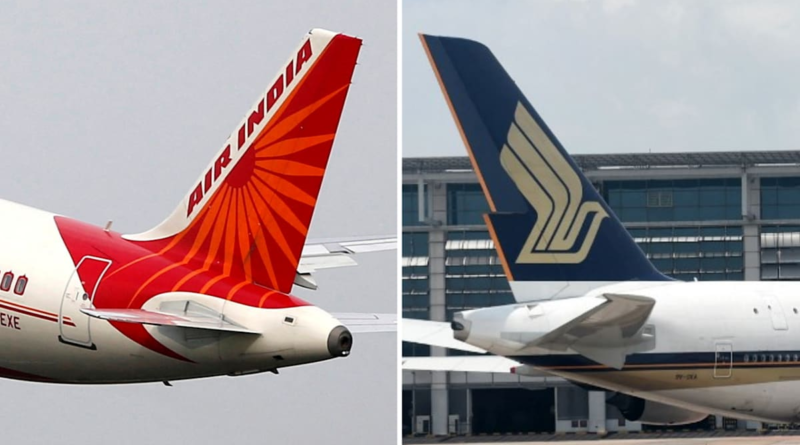
Commentary: The more pertinent question is not whether SIA should exit the Air India partnership
SIA’s management must articulate the case clearly to its shareholders and the public here.
Has its assessment of the long-term value of the Air India partnership changed? What milestones should be set to judge whether the investment is delivering on its original expectations?
What kind of control will it take in the airline’s operations to ensure that its goals are met? How much operational control is Tata willing to give, and how much is the Indian government willing to tolerate?
How willing they are to let SIA take the lead in its proven area of expertise and do whatever it takes to transform Air India will be telling.
Staying the course on Air India does not mean just injecting more funds. SIA must be satisfied – and satisfy its shareholders – that the partnership is on track.
While things may look dire, Air India is not a lost cause either. Three months ago, the Indian carrier received a Skytrax 4-Star Airline Rating – on par with leading international carriers. Despite the financial difficulties, it is still taking delivery of new planes, upgrading its cabin products and training its staff to meet global standards.
Indeed, it will be easier for SIA to write off some S$1 billion and walk away. But the cost of doing so could be more than meets the eye.
Amid increasing geopolitical uncertainties, many global corporations are looking to Asia for growth. Abandoning such a high-profile project with major local partners could have reputational ramifications for Singapore companies in India.
Having committed itself, SIA must stay the course and navigate the turbulence. But it must be clear-eyed about what the issues are, what needs to be done and how it will get done.
Ven Sreenivasan is a former editor and journalist who has covered financial markets, economic and corporate news and aviation for more than 30 years.